
The Role of Laughter and Comedy
The Name of the RoseThe novel's exploration of laughter as a human trait and its potential to reveal truth or undermine authority.
increasing Bearing strength in each event
 decreasing
Bearing strength in each eventdecreasingThe Debate on Laughter
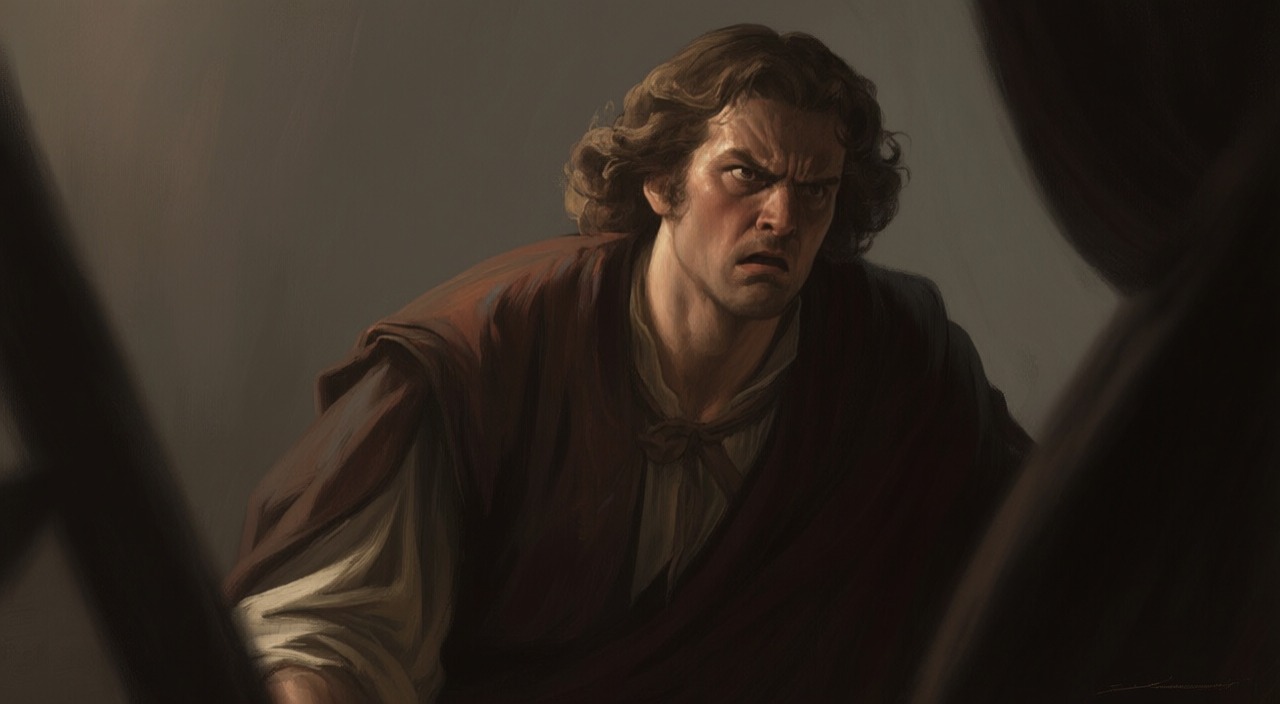
A Philosophical Question
The Scriptorium Argument
Monks debate whether laughter is permissible in sacred contexts. Adelmo defends it; Jorge condemns it.
Aristotle's View
Aristotle's lost book argues that comedy can purify the passions. Laughter is a tool for understanding.
The Stakes
The debate is not just academic. It leads to murder and destruction. The novel asks whether laughter is a force for good or evil.
The Carnivalesque
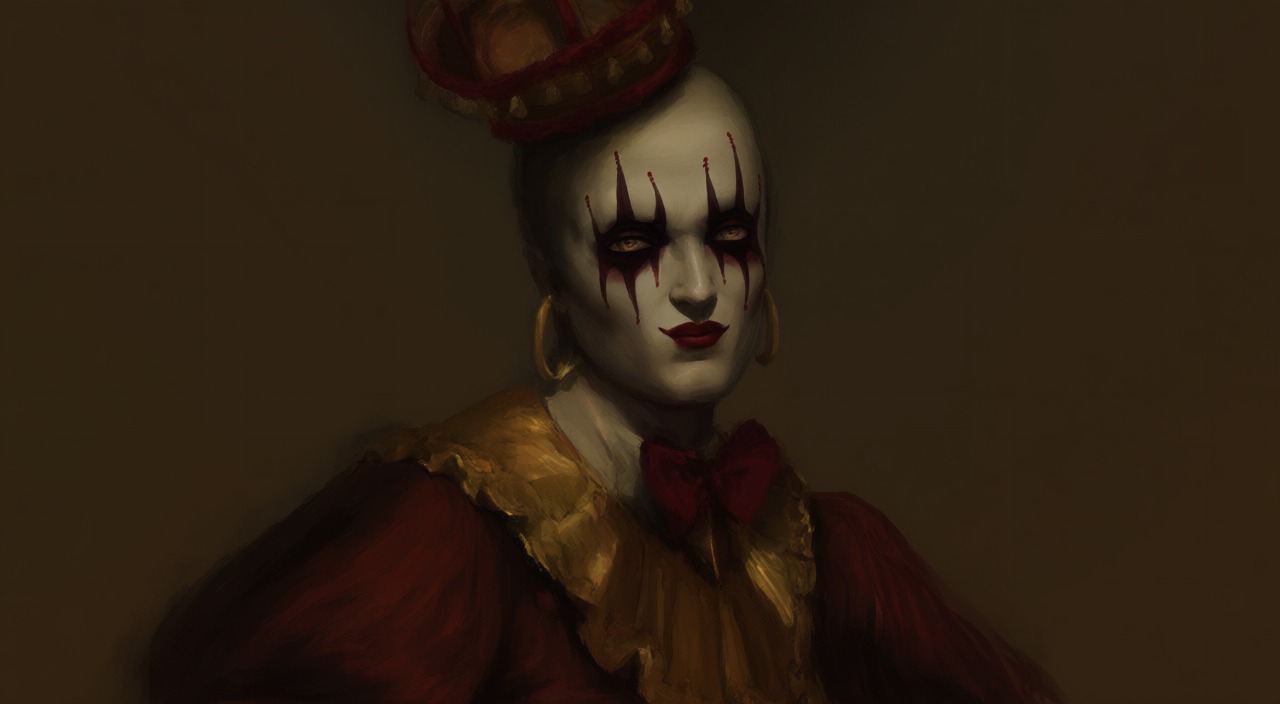
The World Upside Down
Adelmo's Marginalia
Adelmo's illustrations depict a world turned upside down. They are comic and subversive.
The Coena Cypriani
Adso dreams of the Coena Cypriani, a parody of the Bible. The dream mixes sacred and profane.
The Power of Carnival
Carnival allows the oppressed to laugh at authority. But it can also be a safety valve. The novel explores whether laughter is liberating or merely a release.
First day and throughout
Throughout the story
